“Coffee tree characteristics” search results (6000)
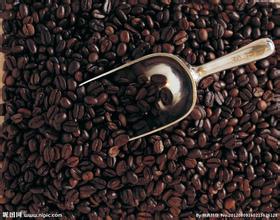
Morphological characteristics of Coffee trees the latest Coffee Information in China
The ripe coffee berries look like cherries and are bright red with sweet flesh and contain a pair of seeds, namely coffee beans (Coffee Beans). Coffee varieties can be divided into small-grain, medium-grain and large-grain species, the former contains low caffeine content and strong flavor, while the latter two have high caffeine content but poor flavor. The coffee sold in the world is generally made up of small and medium seeds in different proportions.
2016-06-08 Coffee morphological characteristics China latest Information
Simple and mild Ugandan coffee grind taste variety characteristics of high-quality coffee beans
Uganda is the country of origin of coffee grown in Robusta, but commercial cultivation of Arabica species here did not begin until early 1900. Today, there are still a large number of wild robusta coffee trees in Uganda, which is rare in cities in the world. As a landlocked country, the large coffee cultivation in Uganda is often interplanted, where coffee trees are mixed with food crops and rubber trees.
2016-10-09 Plain mild Uganda coffee grinding taste variety producing area characteristics boutique
Morphological characteristics of Coffee Tree Botanical History
There are many legends about the discovery of coffee. There is a legend that in the 13th century, there was a prince in Ethiopia who found that his camel loved to eat small oars on a bush, and he was very excited and energetic after eating it. So he also picked some small berry coffee trees (11) to taste, and finally discovered this refreshing coffee drink. Another kind of transmission
2016-06-04 Coffee plants academic history morphological characteristics about people discoveries coffee legends very
Introduction to the flavor characteristics of mocha coffee beans
In Yemen, coffee growers plant poplars to provide shade for coffee to grow. As in the past, these trees are planted on steep terraces to maximize the use of less rainfall and limited soil resources. In addition to the Tippika Coffee Tree and the Bourbon Coffee Tree, more than a dozen different coffee species native to Ethiopia are grown in Yemen. But,
2016-06-01 Mocha coffee beans what taste characteristics introduction Yemen coffee grower planting
Hawaiian Coffee Flavor Description Grind Characteristics Variety Producing Area Taste Boutique Coffee Introduction
Real Hawaiian Kona coffee gives you a unique pleasure and leads you slowly into the transcendent state of coffee tasting. And this is all from the oldest Arabica coffee tree. Hawaii is the only state in the United States to grow coffee, which is grown on the five main islands of the Hawaiian archipelago: Oahu, Hawaii, Maui, Kauai and Mauroka.
2016-10-13 Hawaiian Coffee Flavor Description Grind Characteristics Variety Region Taste Fine
Introduction to the characteristics of coffee flavor and taste in lemon tree manor in Nicaragua
Columbus arrived here in 1502 and reached the east coast of Nicaragua. In 1522, Spanish colonists began to conquer the region. The cities of Granada and Leon were founded in 1524. From then on, Nicaragua became a Spanish colony and came under the jurisdiction of the Governor's Office of Guatemala. The city of Leon developed into a political and cultural center; Granada became a commercial and agricultural center. In the later period of colonial rule
2016-09-08 Nicaragua lemon tree manor coffee flavor taste producing area characteristics boutique
Characteristics of small-grained coffee trees
Coffee is a shallow root crop, and the plants propagated by seeds are conic roots. From the point of view of varieties, the roots of small and medium grain species are shallow, while those of large grain species are deeper. Yunnan small grain coffee is a 3-year-old 4-year-old fruit tree with a deep main root of about 70cm.
2014-09-02 Coffee knowledge small coffee trees coffee tree characteristics
How to choose coffee beans what are the characteristics of coffee beans?
Plant classification Coffee tree belongs to the evergreen tree of Rubiaceae. Rubiaceae plants have been dominated by plants with special effects since ancient times, such as quinine tree, which is regarded as a specific drug for malaria, and Dugan, which is used to treat Amiba dysentery. Coffee is defined as the most unique alkaloid drinking flora. The fruit of coffee is made up of outer skin, pulp, endocarp, silver skin, and the species wrapped in the innermost layers mentioned above.
2016-05-25 How to select coffee beans what introduction characteristics plants classification coffee tree genus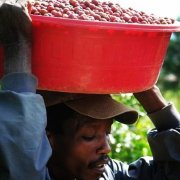
The characteristics of St. Helena Coffee
Coffee was first grown on the island of St. Helena (St.Helena) in 1732. Although some other introduced plants have failed since the 1860s, coffee trees have taken root and flourished here. The island also experienced a coffee improvement campaign to produce the best quality coffee. Coffee producing area of St. Helena: coffee trees on St. Helena have been planted.
2015-03-26 Saint Herr Lena Coffee Features 1732 St.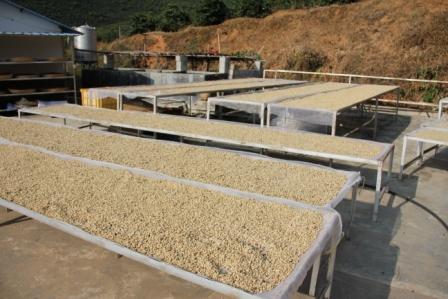
Characteristics of Arabica beans Coffee beans from Suriname
Suriname Suriname (Surinam) is the first country in South America to grow coffee, and Norway was once a major importer of coffee products. However, the country's output is very small today, and it is mentioned here only for historical reasons. The Dutch, who settled in Suriname in 1667, introduced coffee trees from Java in the early 18th century. The first coffee trees were made by the mayor of Asmstedan.
2016-03-24 Rabbi Kadou specialty coffee producing country Suriname coffee beans Sur
An introduction to the characteristics and Origin of mocha Coffee beans
In Yemen, coffee growers plant poplars to provide shade for coffee to grow. As in the past, these trees are planted on steep terraces to maximize the use of less rainfall and limited soil resources. In addition to the Tippika Coffee Tree and the Bourbon Coffee Tree, more than a dozen different coffee species native to Ethiopia are grown in Yemen. But,
2016-06-12 Mocha coffee beans characteristics origin introduction Yemen coffee growers planting
Introduction to the varieties and characteristics of Coffee beans
Typica, also known as Tippica, is the closest to the native species of Arabica, where almost all Arabica varieties originated. It was widely cultivated in Central and South America in the past, with long beans and excellent aroma and sour taste, but it is not resistant to leaf rust and requires a considerable number of shading trees, resulting in low production (same as bourbon, every two).
2016-06-05 Coffee beans varieties and their characteristics introduction
Coffee origin Venezuela's very characteristic manor coffee
The distinctive manor coffee comes from this oil-rich country. Oil was once considered Venezuela's main export. Although coffee trees were introduced from Martinique as early as 1730 and Venezuela, coffee production was almost abandoned during the heyday of the oil industry. Coffee plantations have recently begun to revive, with the original plantations of Tipica and
2015-07-30 Coffee Origin Venezuela Very Characteristic Manor
Flavor and taste characteristics of Colombian boutique coffee beans introduction to manor producing area
The suitable climate in Colombia provides a real natural pasture for coffee. Coffee trees in Colombia are mainly cultivated in the Andes, on steep slopes about 1300 meters above sea level, where the annual temperature is about 18 degrees Celsius, annual rainfall is 2000 to 3000 millimeters, latitude 1-11 15 north, longitude 72-78 west, and the specific range of elevation can exceed 2.000 meters. By
2016-08-19 Columbia boutique coffee beans flavor taste characteristics manor producing area introduction
The Brand characteristics of Coffee species and Tree species in Ethiopia introduction to the taste treatment method in manor producing areas
Although Ethiopian coffee beans say that ET is the hometown of coffee, the earliest commercial record of coffee cultivation is in Yemen, Yemen. A. D. 575. HoHo~ calculated in this way, the history of the discovery of ET should also be in the 6th century AD. We have to go back to our lucky Mr. Cuddy again. In other words, after the magical Cuddy discovered the miraculous coffee, he brought it to the same.
2016-10-21 Ethiopia coffee species tree species brand characteristics manor producing area taste
African Coffee Bean Kenya AA Coffee Bean Flavor Taste Characteristics and Different Roast Degree Flavor
Flavor Taste Characteristics: Rich aroma, balanced acidity. Coffee is a part of African life, whether in the most remote parts of the Great Rift Valley, or in the Maasai nomadic Masai Mara steppe, whether urban or rural, can always smell the aroma of coffee, and look for incense to go, stay, taste, with a cup of coffee to carve those endless African time. Kenya is located in Ethiopia.
2016-01-06 Africa Coffee Bean Kenya Origin Flavor Taste Characteristics Roast Degree Medium
Hawaiian Coffee Flavor Description Grind Characteristics Processing Method Taste Manor Price Introduction
Hawaii is the largest island in the Hawaiian Islands, so it is also called the Big Island. Kona coffee is grown in the west and south of Kona area of Hawaii Island. Coffee trees are spread all over the slopes of Hualalai and Mauna Loa, which are 150 meters to 750 meters above sea level, which is suitable for coffee growth. Kona Coffee's Best
2016-10-11 Hawaiian Coffee Flavor Description Grind Characteristics Handle Taste Manor Price
Characteristics of Coffee Tree planted with Fine Coffee beans
1. Root: coffee root is a conic root system. 2. Stem: the stem of coffee, also known as the trunk, is developed from straight branches. 3. Leaves: simple leaves opposite, green, oval to long elliptic. Flowers: flowers are white and fragrant. 5. Fruit: the fruit is a drupe, usually containing 2 seeds, as well as single and 3 seeds.
2015-01-16 Boutique coffee beans planting coffee characteristics cones roots stems also known as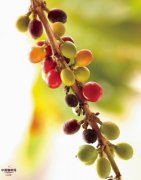
Characteristics of Coffee Tree basic knowledge of Fine Coffee
1. Root: coffee root is a conic root system. 2. Stem: the stem of coffee, also known as the trunk, is developed from straight branches. 3. Leaves: simple leaves opposite, green, oval to long elliptic. Flowers: flowers are white and fragrant. 5. Fruit: the fruit is a drupe, usually containing 2 seeds, as well as single and 3 seeds.
2015-01-29 Coffee characteristics boutique basics common sense coffee cones roots stems also known as
Characteristics of Coffee Tree Coffee basic knowledge
1. Root: coffee root is a conic root system. 2. Stem: the stem of coffee, also known as the trunk, is developed from straight branches. 3. Leaves: simple leaves opposite, green, oval to long elliptic. Flowers: flowers are white and fragrant. 5. Fruit: the fruit is a drupe, usually containing 2 seeds, as well as single and 3 seeds.
2015-04-23 Coffee characteristics basics common sense coffee cones roots stems also known as trunk